How to Prevent Mold and Mildew in Your Bathroom
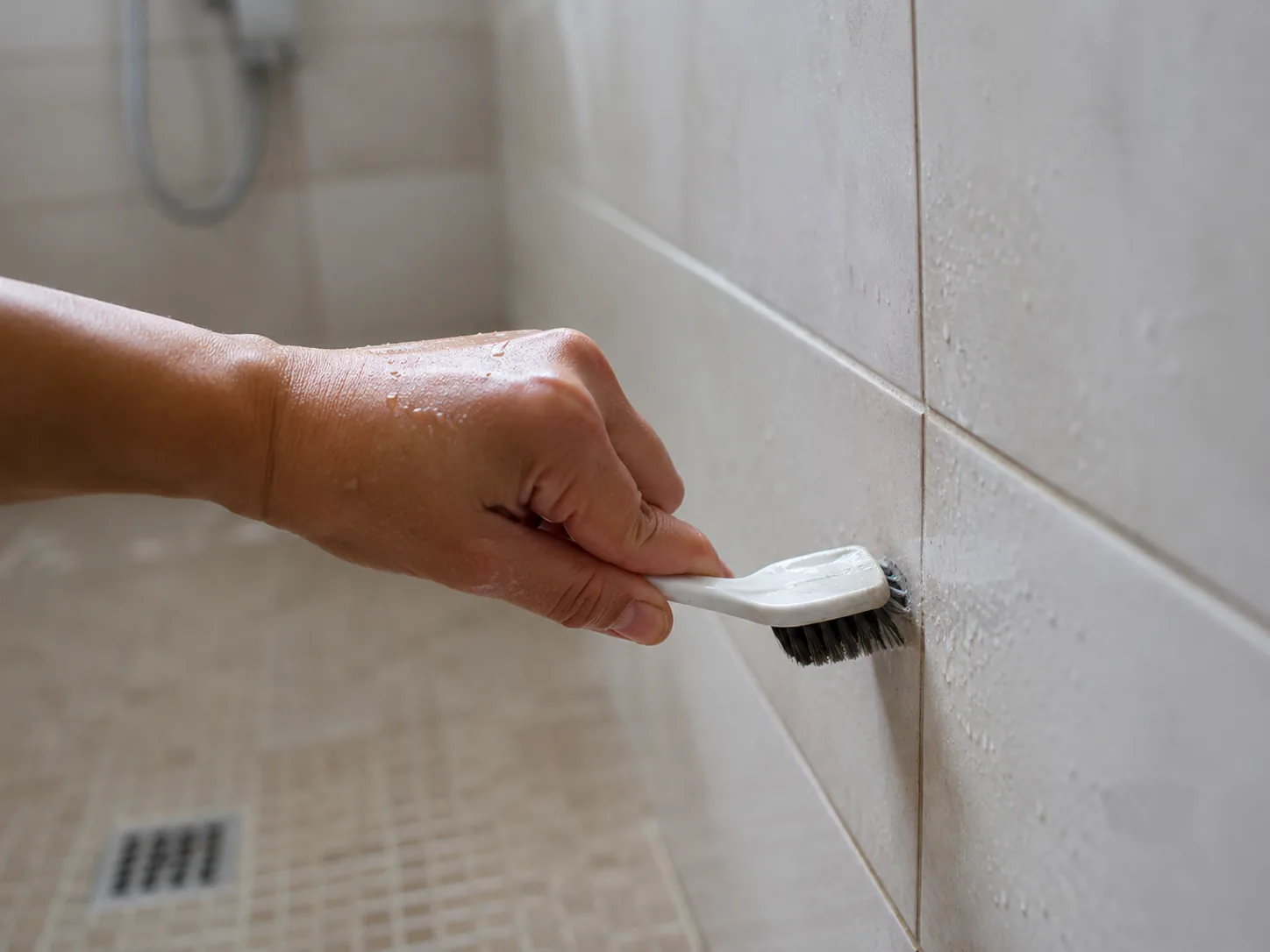
Bathroom mold needs two things to grow: moisture that sits on a surface for a day or more, and something to feed on, soap scum, skin cells, ordinary dust. Cut off the moisture with consistent ventilation and a fast squeegee habit, and most mold problems never start. This guide covers what actually causes it, a routine that holds up, the early signs to catch before it spreads, and how to tell a normal cleaning job from a moisture problem that needs more than a scrub brush.
What Actually Causes Mold in a Bathroom
Humidity that has nowhere to go
A hot shower pushes bathroom humidity close to 100 percent within minutes, and that steam condenses on every surface cooler than the air around it: the mirror, the window, the grout lines, the underside of the vanity. That film of condensation is what mold actually needs, not humid air by itself, but standing moisture sitting undisturbed on a surface. Mold spores are already present in ordinary household dust and air, they don’t need to be introduced from outside. They’re waiting for the right amount of surface moisture to sit for roughly a day or two before active growth starts. A bathroom that dries out within an hour rarely gives spores that window. A small windowless bathroom with a weak fan hands it to them.
Ventilation that isn’t keeping pace
An exhaust fan isn’t decoration, it physically removes the moisture a shower generates instead of letting it resettle on surfaces as they cool. A fan that’s undersized, clogged with dust, or switched off out of habit does almost nothing useful. Bathrooms with no fan rely entirely on an open door or window, which works, but only if it happens every time.
Grout and caulk are porous by design
Grout is a cement-based material, and cement is porous. Unsealed or under-sealed grout behaves like a sponge in a wet environment: it absorbs water during every shower and holds onto it long after the tile around it has visibly dried. That trapped moisture, combined with soap residue and skin cells worked into the grout, creates a food and moisture source below the surface, not just on top of it. That’s why mold along a grout line can reappear within days of a thorough scrub, the surface got cleaned, but the reservoir underneath never went anywhere. See our guide on how to clean grout and tile for the cleaning side of this. Cracked or peeling caulk has the same vulnerability, at that point it’s a gap letting water behind the tile where nobody can wipe it dry.
A Prevention Routine That Actually Holds Up
Prevention here isn’t complicated, it’s consistency. A handful of habits, done every time instead of occasionally, do nearly all of the work.
Squeegee every surface after every shower. Run it top to bottom across walls and the glass door as soon as the last person is out. It takes under a minute and removes most of the moisture mold would otherwise feed on. Keep it hanging inside the shower, not in a cabinet you’ll forget about. This single habit, paired with a solid bathroom cleaning routine, does more to prevent mildew than any product.
Run the exhaust fan on a schedule, not a guess. During the shower and for 15 to 20 minutes after is the standard that actually clears humidity. If you’ll forget to switch it off, a fan with a built-in humidity sensor or timer switch removes the guesswork. Clean the fan grille every few months too, dust buildup measurably cuts how much air it’s pulling.
Do a weekly wipe-down before buildup sets in. Once a week, go over the surfaces that stay damp between showers, the caulk line, the base of the shower, a windowsill, with a mild bathroom cleaner. This catches what a squeegee misses: soap scum, hard water spots, dust on the fan grille.
Keep air actually moving between uses.
- Leave the bathroom door open when it’s not in use so air exchanges instead of sitting stagnant
- Fix dripping faucets and running toilets, a slow leak feeds mold as reliably as a shower does
- Consider a small dehumidifier in a windowless bathroom with a weak fan
Signs to Catch Early, Before It Spreads
- A musty smell that lingers after the room airs out, often present before anything is visible
- Pink or orange discoloration on caulk or grout, usually a bacteria rather than mold, but a reliable early warning of the same damp conditions
- Small dark spots along grout lines that don’t come off with normal scrubbing
- A grout line that looks darker and stays wet-looking longer than the tile around it
- Peeling paint or bubbling drywall on a wall or ceiling near the shower
- Condensation still on the mirror 30 minutes or more after a shower, a sign ventilation isn’t keeping pace
Catch any of these within the first couple of weeks and a thorough clean plus resealing the grout usually solves it. Let it run for months and the fix moves from cleaning to replacing caulk, grout, or drywall.
When Mold Points to a Bigger Moisture Problem
Most bathroom mold is a surface problem, not enough ventilation, no squeegee habit, grout overdue for resealing. Cleaning and the routine above fix that. But a few patterns point to a moisture source cleaning alone can’t touch:
- Mold that returns within days of a thorough clean, not weeks or months. That speed points to a continuous source, like a slow leak inside a wall, rather than just shower humidity.
- Mold showing up somewhere a shower’s steam doesn’t reasonably reach, behind the toilet, under the sink, on a shared wall, or on a ceiling far from the shower. That usually means water is getting in from elsewhere, a plumbing leak, a roof leak, or moisture coming up through a slab.
- An exhaust fan that vents into the attic instead of outside. This is a common shortcut from a rushed installation, and it relocates the moisture instead of removing it, condensing on the roof deck where nobody checks. If unsure where yours vents, look from outside for a roof or wall cap tied to the fan’s location.
- A musty smell with no visible source anywhere, which often means the moisture and mold are both hidden behind a wall or under flooring.
In any of these cases, scrubbing what’s visible treats a symptom. A plumber or contractor needs to find and fix the actual source before the mold stops coming back, no matter how well the surface gets cleaned.
Safe DIY Removal, and When to Stop
Small, surface-level mold on grout, caulk, or tile is a reasonable job to handle yourself:
- Ventilate the room first, open a window or run the fan while you work
- Wear gloves, and eye protection if spraying overhead
- Water and dish detergent, or diluted hydrogen peroxide, lifts most surface mold. Reserve bleach for hard, non-porous surfaces, not grout, since it doesn’t reach mold grown into the material underneath and breaks down grout sealant over time
- Never mix cleaning chemicals, bleach and ammonia-based products together produce dangerous fumes
- Scrub, rinse, and dry the area completely, leftover moisture just restarts the cycle
- Mold worked into caulk usually only lightens with cleaning since it grows inside the caulk itself. Recutting and replacing it is the actual fix
Here’s a rough way to decide whether a spot is still a cleaning job or something to hand off:
| Handle it yourself | Bring in a professional | |
|---|---|---|
| Size | Smaller than roughly 3 feet by 3 feet | Larger, or visibly spreading despite cleaning |
| Location | Visible surfaces: grout, caulk, tile, glass | Inside a wall, under flooring, or anywhere you’d need to open up a surface to reach it |
| Cause | Everyday shower humidity | Traced to a known leak, flood, or other water event |
| Recurrence | Clears and stays gone once the routine above is in place | Comes back within days despite proper cleaning and drying |
| Household health | No noticeable symptoms | Allergy or respiratory symptoms have gotten worse since it appeared |
A mold remediation contractor is equipped to contain spores while working and confirm an area is actually clear afterward, not just visibly clean, which is what the right-hand column calls for. A regular house-cleaning service is a different job: our deep cleaning includes full grout and tile scrubbing and detailed bathroom descaling, but it isn’t mold remediation and won’t fix a moisture problem hiding behind a wall.
Frequently Asked Questions
What actually causes mold in a bathroom?
Moisture sitting on a surface long enough for mold spores, already present in ordinary household air and dust, to start growing, usually a day or two of standing dampness. Poor ventilation and porous, unsealed grout are what let that moisture linger.
Is bathroom mildew the same thing as mold?
They’re related but not identical. Mildew is typically a flatter, surface-level growth, often gray or white, while mold can be more textured and colored. Both respond to the same prevention habits.
How long does it take for mold to grow after a shower?
Roughly a day or two of surface moisture sitting undisturbed is enough for growth to start. That’s why drying surfaces with a squeegee and running the fan for 15 to 20 minutes after a shower matters more than how often you deep clean.
Can I use bleach to remove bathroom mold?
On hard, non-porous surfaces like tile and glass, yes. On grout and caulk it’s a poor long-term choice, it kills what’s visible but doesn’t reach mold growing inside the porous material, and it breaks down grout sealant with repeated use.
Why does mold keep coming back after I clean it?
Either the moisture source was never addressed, unsealed grout, a weak fan, a skipped squeegee habit, or the mold has worked into a porous material like caulk where surface cleaning can’t fully reach it. Returning within days rather than weeks is also worth checking for a hidden leak.
Is the pink stuff in my shower actually mold?
Usually not, pink or orange residue on caulk and grout is most often a bacteria that thrives in the same damp environment. It’s still a sign the area needs attention, and it commonly shows up alongside mold if the underlying moisture problem isn’t addressed.
How do I know if mold is a plumbing problem instead of a cleaning issue?
Location and speed are the two clues. Mold appearing somewhere a shower’s steam wouldn’t reasonably reach, or returning within days of a proper clean, points to a continuous moisture source rather than everyday humidity.
Does it matter if my bathroom fan vents into the attic instead of outside?
Yes. A fan that vents into the attic relocates the moisture instead of removing it, and that humid air can condense on the roof deck and grow mold nobody regularly checks. Confirm from outside the house that your fan has an actual roof or wall vent cap.
How often should I reseal bathroom grout to prevent mold?
Every 12 to 18 months for a shower used daily, sooner if a quick test shows it’s due, drip water on the grout and if it darkens and absorbs within a minute, it needs resealing. Cracked or peeling caulk should be replaced on the same schedule.
Keeping It From Coming Back
A squeegee habit, a fan that runs long enough, and grout sealed on schedule prevent most bathroom mold before it starts. If you’re already seeing dark grout lines or a bathroom that’s stayed damp, our deep cleaning service resets the grout and tile so the routine above has a clean baseline to maintain, instead of fighting buildup that’s already taken hold.
or call +1 (949) 330-0081.