Reducing Allergens at Home: A Cleaning Guide
Household allergens concentrate in a handful of predictable places: dust mites in mattresses and bedding, pet dander worked into carpet and upholstery, mold in damp bathroom corners, and pollen tracked in on shoes and fur. Cleaning a little bit everywhere does less than cleaning those specific spots thoroughly, and Orange County’s dry, windy climate keeps outdoor dust and pollen moving indoors even with the windows shut. What follows covers where each allergen actually builds up, what to do about it room by room, and when a vacuum and a rag stop being enough.
Where household allergens actually come from
Four sources account for most indoor allergen exposure, and each behaves differently enough that one cleaning approach does not address all of them.
Dust mites are microscopic and feed on shed human skin cells. They do not bite; the allergic reaction comes from proteins in their waste and body fragments, which become airborne when a mattress, pillow, or upholstered cushion gets disturbed. They concentrate wherever skin cells and warmth both collect, which is overwhelmingly bedding, mattresses, and fabric furniture, not hard surfaces.
Pet dander is flakes of dead skin that dogs and cats shed continuously, not just during a seasonal shed. It stays airborne longer than regular dust and works into carpet fibers, curtains, and upholstery fabric, which is why a room can still carry dander weeks after a pet stopped spending time in it.
Mold spores need moisture and organic material to grow, which in most homes means bathrooms, under-sink cabinets, and any spot that stays damp longer than it should. Spores are airborne in small numbers nearly everywhere; the actual problem is active growth on a wet surface, not spore exposure in general.
Pollen rides in on shoes, clothing, and pet fur, then gets ground into entryway rugs and carpet before anyone notices it arrived. Open windows and HVAC intake add a second path, especially during Santa Ana wind events, when dry, dust-laden air gets pushed toward the coast.
| Allergen | Where it concentrates | Reached by routine cleaning? |
|---|---|---|
| Dust mites | Mattresses, pillows, upholstery | No, works into padding below the surface |
| Pet dander | Carpet, curtains, fabric furniture | Partially, needs frequent vacuuming |
| Mold spores | Bathroom grout, under sinks, damp corners | No, needs ventilation and a targeted clean |
| Pollen | Entry rugs, carpet near doors | Partially, needs doormat habits |
The bedroom is the highest-impact room
Bedding sits closest to your face for roughly a third of every day, which makes the bedroom the single highest-impact room for allergen control. Wash sheets and pillowcases weekly in hot water, hot enough to reduce the dust mite population, not just make the fabric look clean. Pillows and comforters need washing less often, but a seasonal refresh keeps buildup from accumulating over months.
The mattress itself is the harder problem. Dust mites and dander work into the quilted layers below the surface fabric, not just the top sheet, which means regular laundering never reaches them no matter how often the sheets get changed. A mattress protector helps going forward by blocking new buildup, but it does nothing for buildup already inside a mattress that has never been protected.
This is where professional mattress cleaning does something a washing machine cannot. Extraction equipment sprays a cleaning solution into the padding under pressure and pulls it back out, along with the dust, dander, and dust mite waste that has worked its way in. Pricing is by mattress size: $55 for a twin, $65 for a full, $75 for a queen, and $95 for a king, and most mattresses are dry and usable again within four to six hours. It is a reasonable step for allergy-prone households or anyone who cannot remember the mattress itself, not just the sheets, ever being cleaned. Our mattress cleaning page has the full breakdown, and the mattress cleaning cost guide covers pricing for multiple mattresses booked in the same visit.
None of this makes a mattress permanently allergen-free. Buildup starts again the moment it goes back into daily use, which is why most households benefit from cleaning every six to twelve months rather than a single one-time visit, sooner if allergy symptoms are already a factor.
Carpet, rugs, and upholstery
Carpet and area rugs trap dander and pollen far more effectively than hard flooring, which is exactly why they need more attention in a home with pets or seasonal allergy issues. Vacuum filtration matters specifically here: a vacuum without a sealed system and true HEPA filtration can push fine dust and dander back into the air through its own exhaust while it appears to be cleaning. Carpeted bedrooms and living rooms benefit from vacuuming two to three times a week in allergy-prone households; hard floors can go longer between passes since they do not hold onto allergens the same way.
Upholstery fabric acts like a second carpet for dander and dust, especially on cushions and armrests used daily. A vacuum’s upholstery attachment handles loose surface dust, but fabric that has gone years without cleaning holds onto buildup the same way an unwashed mattress does. Curtains and fabric window treatments collect less visibly but should still be washed or vacuumed on a seasonal basis, particularly in rooms with windows that open often.
Carpet or rugs that have gone past a year without a professional clean, or that serve a household with pets, kids, or allergies, generally need more than routine vacuuming. Our guide on how often to clean carpet and area rugs breaks down realistic timelines by household type.
Entryways: stopping pollen and dust before it spreads
Pollen and dust mostly enter a home through two paths: feet and paws. A doormat outside plus a washable rug just inside the door catches a meaningful share of what would otherwise track straight onto carpet. A no-shoes household cuts this further, and wiping a dog’s paws after a walk during high-pollen weeks keeps tracked-in pollen from reaching the living room in the first place.
Orange County’s dry, windy stretches, especially Santa Ana wind events in fall, push pollen and fine dust toward the coast and into homes through door gaps, vents, and open windows. Closing windows during and right after a windy day, then airing the house out once conditions calm down, keeps a lot of that dust from settling into carpet and upholstery before it even gets swept. Our guide on why Orange County homes get dusty fast covers the fuller climate picture and the habits that help most.
Entryway rugs and mats need washing more often than most people expect, since they exist specifically to catch what would otherwise spread through the house, which means they concentrate exactly what a doormat is supposed to trap.
Bathrooms and mold
Mold needs moisture and time, and a bathroom that stays damp after every shower gives it both. Spores are airborne in small amounts nearly everywhere, so the goal is not eliminating spores but eliminating the wet surfaces that let them grow into visible colonies, mainly grout lines, caulk, and any spot that does not fully dry between uses.
Running the exhaust fan during and for fifteen to twenty minutes after every shower, along with a quick squeegee pass on glass and tile, does more to prevent mold than any product applied after the fact. For the full ventilation, humidity, and grout-sealing routine, see our guide on preventing mold and mildew in the bathroom.
HVAC and filter maintenance
An HVAC system moves more air through a home in a single day than almost anything else in the house, which means filter condition affects every room at once, not just the room with the thermostat. A dirty filter does not stop pulling air through the system, it just lets more of what it should be trapping pass straight back into circulation.
Standard filters should be changed every 60 to 90 days. Homes with pets, or during high-pollen stretches like Santa Ana wind season, do better checking monthly rather than waiting out the full window. A filter that already looks visibly gray or matted when you check it is overdue, regardless of the calendar date. Higher-rated filters trap finer particles, including more of what triggers allergy symptoms, but they also restrict airflow more, so it is worth confirming a system can handle a higher-efficiency filter before switching, rather than assuming any filter fits any system.
This is one of the few allergen habits that does not require professional help or special equipment, just a recurring reminder and a filter that matches the system.
Dusting and vacuuming technique
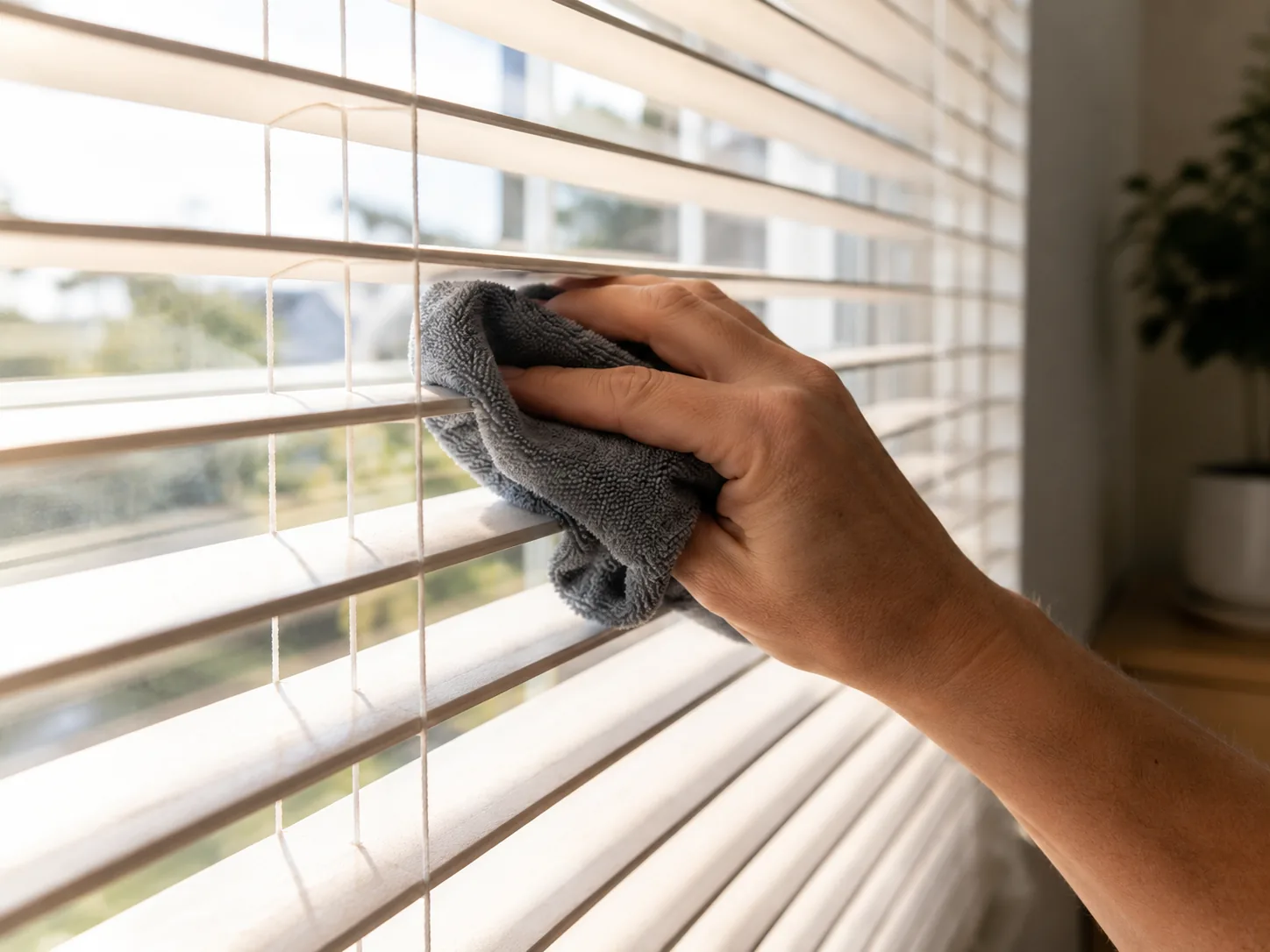
How allergens get cleaned matters as much as how often. Dry dusting with a rag mostly relocates dust into the air rather than removing it, which works against anyone managing allergy symptoms. A damp microfiber cloth traps particles instead of scattering them, and working top to bottom, ceiling fans and light fixtures first, then furniture, then floors, means dust that resettles during cleaning lands on a surface still waiting to be cleaned rather than one already finished.
Vacuum choice matters for the same reason. A sealed system with true HEPA filtration keeps fine particles from escaping through the vacuum’s own exhaust during use. A vacuum missing either of those can leave a room with more airborne allergen right after vacuuming than before it started.
When a professional deep clean helps
Daily and weekly habits handle the surface layer. What they consistently miss is baseboards, vents, ceiling fan blades, behind and under furniture, and the buildup in corners that accumulates undisturbed for months between regular cleanings. None of that shows up as dirty floors or a dusty coffee table, so a home can look clean while allergen-heavy buildup sits in the spots nobody checks.
A professional deep cleaning resets those areas, baseboards wiped down, vents cleared, corners and behind-furniture spots actually reached, using eco-friendly products without added fragrance residue. It is not a medical treatment and will not resolve ongoing allergy or respiratory symptoms on its own; it removes physical buildup that regular upkeep does not reach, and your routine habits keep pace with what accumulates between visits after that. If it has been longer than a year since baseboards, vents, and behind-furniture spots were actually addressed, that gap is usually where the more stubborn allergen buildup is sitting.
Frequently asked questions
What is the single biggest source of allergens at home? Dust mites in mattresses and bedding tend to have the largest impact for most households, since bedding sits closest to your face for hours every night. Pet dander and tracked-in pollen matter too, but which one dominates depends on the household, a home with pets often carries more dander buildup than a pet-free home carries dust mites.
How often should bedding be washed to cut down on dust mites? Weekly, in hot water. Dust mites and their waste build up in sheets and pillowcases between washes, and hot water reduces that buildup more effectively than a cool or warm cycle. Pillows and comforters can go longer between washes but still benefit from a seasonal refresh.
Does vacuuming spread pet dander instead of removing it? It can, if the vacuum lacks a sealed system and true HEPA filtration. A vacuum without both can push fine dust and dander back into the air through its own exhaust while appearing to clean. Checking a vacuum’s filtration is worth doing before assuming more frequent vacuuming alone is the fix.
How often should a mattress be professionally cleaned for allergies? Every six to twelve months is a reasonable baseline for most households, sooner if allergy symptoms are already a factor, since dust mites and dander work into mattress padding faster than a vacuum attachment can remove them.
How much does professional mattress cleaning cost? Pricing is by size: $55 for a twin, $65 for a full, $75 for a queen, and $95 for a king. Multiple mattresses in the same visit are priced by adding the sizes together. Full pricing detail is in our mattress cleaning cost guide.
Will a deep clean cure my allergies? No. A deep clean removes physical buildup, dust, dander, and residue in spots regular cleaning misses. It is not a medical treatment and will not resolve ongoing allergy or respiratory symptoms by itself. Persistent symptoms are worth discussing with a doctor alongside any cleaning changes.
How often should HVAC filters be changed? Every 60 to 90 days for most homes. Homes with pets, or during high-pollen stretches like Santa Ana wind season, do better checking monthly rather than waiting for the full window to pass. A filter that looks visibly gray or matted is already overdue.
Does a higher-rated HVAC filter actually help with allergies? Higher-rated filters trap finer particles, which includes more of what triggers allergy symptoms. They also restrict airflow more than a standard filter, so it is worth checking that a system can handle a higher-efficiency filter before switching rather than assuming any filter fits any system.
Can pollen get into a house even with the windows closed? Yes. Pollen and fine dust travel through HVAC intake, door gaps, and simply on people’s shoes and clothing, along with pets that go outside. Windows are one entry point, not the only one, which is why closing them during a windy stretch reduces but does not eliminate pollen getting indoors.
Is mold in a bathroom always a health concern? Mold spores are airborne in small amounts nearly everywhere, so the presence of spores alone is not unusual. The concern is active growth on a damp surface. Visible discoloration, a musty smell that does not clear after ventilating, or growth spreading across grout or drywall are the signs worth addressing directly.
Can cleaning alone fix a carpet that seems to trigger allergies constantly? Often, yes, if the buildup is in the fibers rather than in padding or a subfloor with moisture damage. A professional carpet clean reaches embedded dander and dust that vacuuming cannot. If symptoms persist after a genuine deep clean and consistent upkeep, that is worth investigating further rather than assuming another cleaning will solve it.
What is the difference between a regular clean and a deep clean for allergen control? A regular clean maintains visible surfaces on a set schedule. A deep clean reaches baseboards, vents, behind furniture, and corners that collect allergen-heavy dust between regular visits. Most allergy-prone households do better pairing both, a deep clean as a periodic reset and a regular clean to keep pace afterward.
Get started
The habits above point cleaning effort at the spots that actually build up allergens, mattresses, carpet, entryways, and HVAC filters, ahead of coffee tables and countertops. For buildup daily habits cannot reach, book a deep cleaning to reset baseboards, vents, and corners, or get an instant quote for mattress cleaning if the mattress has never been professionally addressed. New customers get $39 off their first booking.
or call +1 (949) 330-0081.