What Landlords Actually Check During a Move-Out Inspection
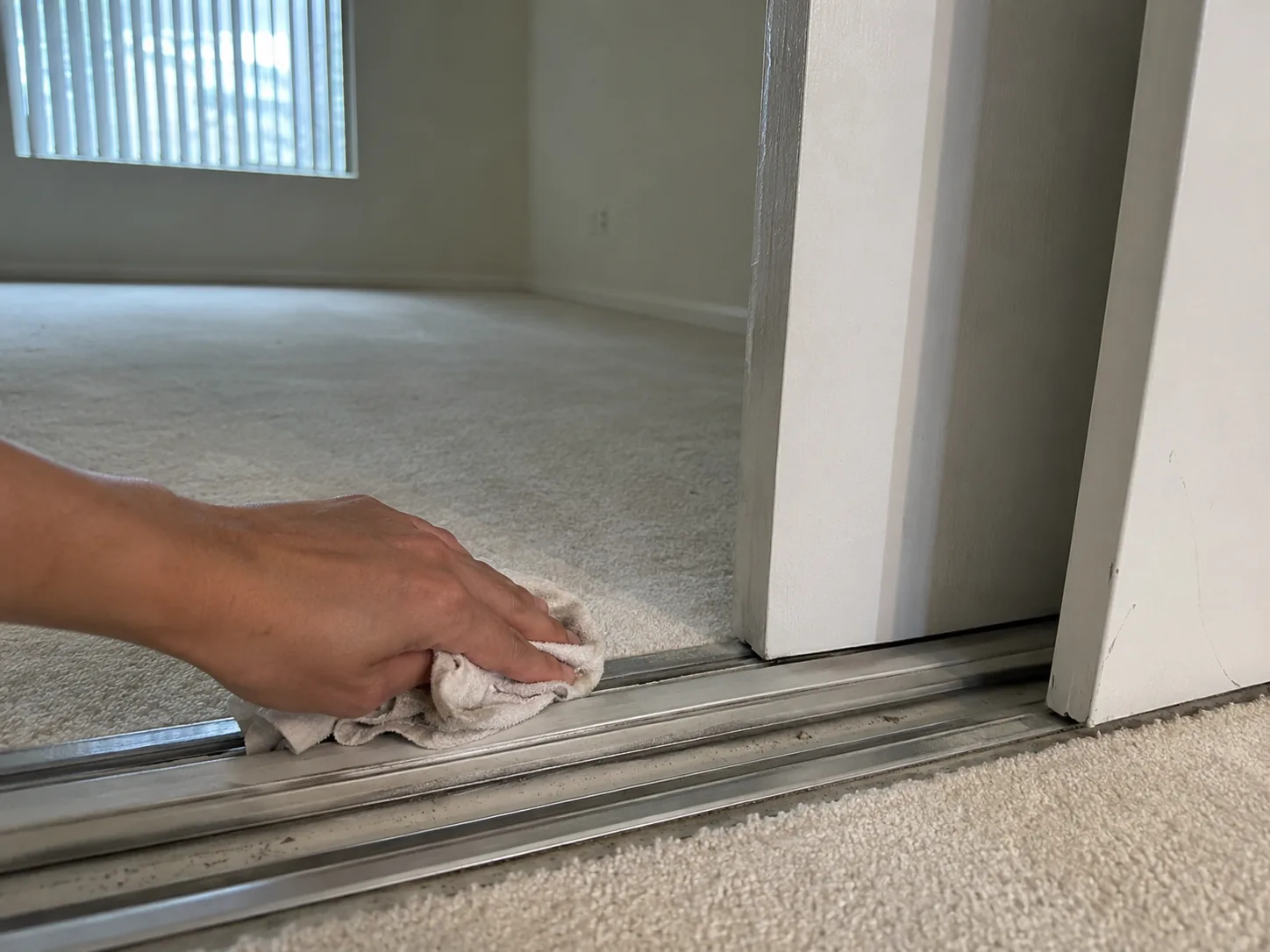
Landlords inspect for three things during a move-out walkthrough: cleanliness, damage beyond normal wear and tear, and anything missing from the unit. They compare what they find against your signed move-in condition report, then decide what, if anything, gets deducted from your deposit. Most of what gets flagged traces back to a short, predictable list of spots, not a line-by-line review of everything you own.
Cleanliness Gets Checked First
Before a landlord even looks for damage, they check whether the unit is clean enough to show the next tenant without any extra work on their end. That means inside the oven, inside the refrigerator, behind the toilet base, inside every kitchen and bathroom cabinet, and along every baseboard in the unit. A unit that looks tidy from the doorway but has grease built up inside the oven door or grime settled into the shower grout still fails this part of the inspection, because the next tenant, or the next inspection, opens those exact same cabinets and appliances.
Most deposit deductions labeled “cleaning” trace back to these specific spots rather than the obvious surfaces like countertops or floors. A property manager running dozens of turnovers a month develops a fast routine of their own: open the oven, pull out a drawer, run a finger along the top of a door frame. None of it takes long, and it usually happens before anyone starts looking for actual damage.
What Inspectors Look At: Walls, Floors, Appliances, and Fixtures
Once cleanliness is accounted for, inspectors move category by category through the unit. Four areas account for nearly every line item on a typical move-out deduction sheet: walls and paint, floors, appliances, and fixtures and hardware. Knowing what falls into each explains why a landlord flags one mark on a wall and walks right past another one next to it.
| Category | Usually Normal Wear | Usually Counted as Damage |
|---|---|---|
| Walls and paint | Small nail holes, faint scuffs near light switches and door frames, minor sun fading | Large holes or gouges, crayon or marker that won’t wipe off, unapproved paint colors, grease film baked onto a wall behind the stove |
| Floors | A worn traffic path in carpet, light scratches on hardwood from years of foot traffic, faint grout discoloration | Carpet burns, tears, or set-in stains, deep gouges or water damage in hardwood, cracked or missing tile |
| Appliances | Cosmetic wear on stove burners, a worn oven door seal, normal mineral buildup in a dishwasher | Cracked oven door glass, broken shelves or bins in a fridge, a garbage disposal that no longer runs, a broken dishwasher rack |
| Fixtures and hardware | Bent blind slats from years of opening and closing, a loose cabinet handle, dust inside a light fixture | Missing blinds or broken pull cords, a missing light fixture or smoke detector, cabinet hardware that has come off entirely |
A professional move-out clean addresses the left-hand column of that table, not the right. Inside all cabinets and drawers, inside the oven, fridge, and microwave, baseboards and walls spot-cleaned, and floors deep cleaned are the standard scope of a move-out cleaning booking, built specifically around the spots a typical inspection covers. What a cleaning crew cannot do is patch a hole, replace a cracked tile, or fix a broken appliance. That’s a repair, not a cleaning job, and it usually falls to the landlord or a contractor depending on what your lease says.
The Line Between Normal Wear and Damage
The distinction between normal wear and damage is where most move-out disputes start, and it comes down to one general principle: normal wear is the gradual, expected effect of someone living in a space for the length of a lease. Damage is anything beyond that, whether it comes from neglect, an accident that was never addressed, or an alteration made without approval.
Age factors into this too. Carpet installed ten years ago that shows heavy wear after a two-year tenancy is already closer to the end of its expected life, regardless of how carefully it was treated, while that same amount of wear on carpet installed six months before move-in reads very differently. Paint, carpet, and many fixtures have a general useful life, and a deduction is generally supposed to account for how much of that life was already used up before the current tenant moved in, not charge full replacement cost for something that was already due for a refresh.
This is a factual pattern, not legal advice specific to your lease or situation. If a deduction shows up that seems to ignore this distinction entirely, what to do about it is a conversation with your landlord or a tenant rights resource, not something a general article can resolve for you.
What Triggers the Most Deposit Deductions
A handful of categories account for most of the deposit deductions tenants end up disputing:
- Carpet stains, burns, or odors that require professional cleaning or replacement
- Grease and buildup inside ovens, range hoods, and refrigerators
- Missing or damaged blinds, light fixtures, or smoke detectors
- Unpatched holes in walls beyond small nail holes
- Trash, furniture, or personal items left behind
- Excessive dirt or grime in bathrooms, especially grout and tile
- Broken or missing appliance components, like fridge shelves or dishwasher racks
Any single item on this list is usually a small deduction on its own, often well under a hundred dollars. Several of them together, especially a mix of cleaning issues and one or two damage items, are what actually add up to losing most or all of a deposit.
How to Document Your Unit Before You Leave
Take dated photos and a short video walkthrough of every room, including inside cabinets, closets, and appliances, right after the cleaning finishes and before you hand back the keys. Walk the unit with your phone recording continuously instead of taking a handful of still photos. A continuous video is harder to dispute than a few chosen shots, and it takes about the same five to ten minutes.
Photograph any pre-existing damage too, even if it’s already noted on your move-in inspection report, since paper records get lost or misplaced more often than photos do. If you kept a signed move-in condition report, hang onto a copy of that as well. If your lease specifically requires professional carpet cleaning, keep that receipt separate from the rest of your moving paperwork, since it’s one of the more common documents a landlord asks for after the fact.
None of this guarantees a full deposit return. What it does is give you something specific and dated to point to if a deduction shows up that doesn’t match the condition you actually left behind.
Timing Matters More Than People Expect
Most California landlords have 21 days after move-out to return the deposit or send an itemized list of deductions. That clock starts the moment you hand back the keys, which means the condition of the unit on that specific day, not how it looked mid-tenancy, is what gets compared against your move-in report.
A rushed clean done the morning of your move often misses the exact spots inspectors check first. Dust resettles once furniture is moved, and appliances need a few extra minutes to be wiped down properly once they’re actually empty rather than half-blocked by a box still waiting to go out. Scheduling the clean after your furniture is fully out, rather than around it while movers are still working, gives access to every cabinet, corner, and appliance interior that actually gets inspected.
For the full room-by-room breakdown of what to clean and in what order, along with real pricing by home size, see our move-out cleaning checklist. It covers the execution side in depth so this guide can stay focused on what actually gets inspected.
Move-Out Cleaning Inspection FAQ
Does a move-out cleaning service fix damage like holes or broken tiles? No. Cleaning covers grime, dust, and marks that come off with cleaning products. Patching drywall, replacing tile, or fixing a broken appliance are repairs, and typically fall to the landlord or a contractor depending on your lease.
How long does a landlord have to return my deposit in California? Most landlords have 21 days after move-out to either return the full deposit or send an itemized list of what was deducted and why.
Can a landlord deduct for normal wear and tear? No, not under the general principle that governs deposit deductions. Normal wear, gradual fading, minor scuffs, carpet wear from years of foot traffic, isn’t billable the same way actual damage is.
Does the age of the carpet or paint affect a deduction? Yes. Carpet, paint, and many fixtures have a general useful life, and a fair deduction is supposed to account for how much of that life was already used up before the current tenant moved in.
What’s the most commonly missed spot in a DIY move-out clean? Inside the oven, and the tracks at the bottom of cabinet doors and drawers. Both take a few extra minutes people tend to skip when they’re rushing, and both are near the top of an inspector’s list.
Should I be present for the final walkthrough? Some landlords invite tenants to walk through together, others don’t. If yours offers it, it’s a chance to see the same things they’re seeing in real time, which can head off a dispute later.
What if my landlord doesn’t send an itemized list of deductions? That’s outside what a cleaning guide can advise on. It’s a lease and tenant-rights question worth raising directly with your landlord or a local tenant resource.
Does a move-out clean help for a home sale, not just a rental? Yes. The same categories, cleanliness, walls, floors, appliances, get checked at a buyer’s final walkthrough, even without a security deposit involved. A move-out cleaning booking works the same way for a sale as it does for a rental handover.
Is a move-out clean the same as a deep clean? They cover similar ground, but a move-out clean leans harder into empty-cabinet and empty-closet detail, since there’s no furniture in the way and every interior surface is part of what gets inspected. See deep cleaning vs. move-out cleaning for the full comparison.
Book a move-out cleaning built around what property managers actually check, inside cabinets, appliances, walls, and floors, and get an instant quote for your Orange County city.
or call +1 (949) 330-0081.